- Home
- About us
- Contact us
- info@settleabroad.net
- 91-74031-74031, +12015757660
- Lic No. 909/ALC-4/LA/FN:1162

- 91-74031-74031

US universities offer a diverse range of programs and flexibility to pursue different types of subjects. The universities allow students to combine subjects not related to each other.

World`s Leading Universities
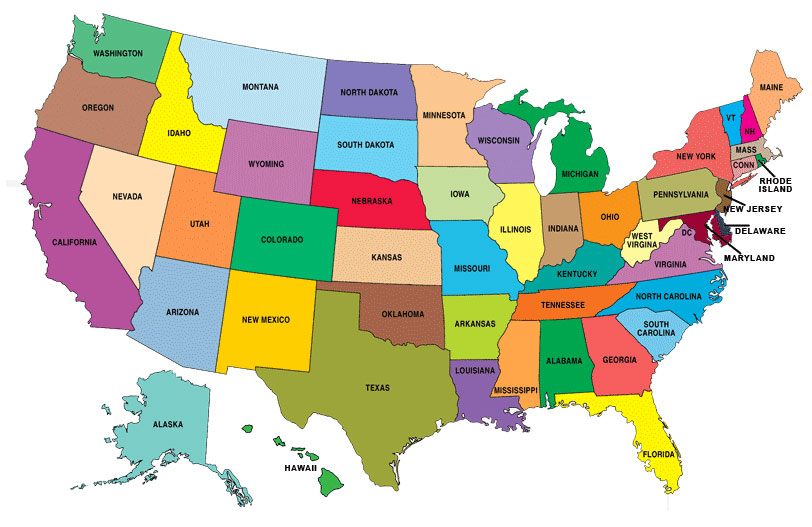
Plenty of world-class institutes are spread across different states of USA. USA is a proud land of almost half of the world`s top ranking universities offering excellent education facilities. Ivy League Universities such as Harvard, Yale and Cambridge have been well known for their ability to churn out world leaders, Nobel Laureates and industry stalwarts.



Students graduating from imminent US educational institutes enjoy the institute's great reputation amongst global business leaders. Combination of international exposure and right kind of knowledge give a head start to your booming career.


Students are allowed work during their study with multiple options to choose from. Working pat-time during academic sessions not only exposes you to real time world problems and gain much required experience but also helps you support yourself with expenses.

Global Network
Most US universities boast extremely strong alumni networks, alliances and fraternities.


US universities have 3 intakes for students.

Generally, in public/State Universities private universities, tuition fee ranges $12000 to $40,000 per annum.
In Ivy League universities tuition fee ranges $48000 to $60000.
Estimated Living Cost: $8000 to $14000 (per year). An average of $700 to $1000 per month should be considered as a reasonable amount.
Heath Insurance Cost:This is mandatory for international students. It would range from $1750 to $2000 per year.
Miscellaneous Charges: $2000 per year

A Valid Passport : you should have a passport with validity till about 6 months after your intended course completion date.
Standardised Test Score: Many universities might accept application while you still intend to write SATs/ ACTs/ GMAT/ GRE but it is advisable to have your score before starting your application. You might be required to share reference number of your score card with the university.
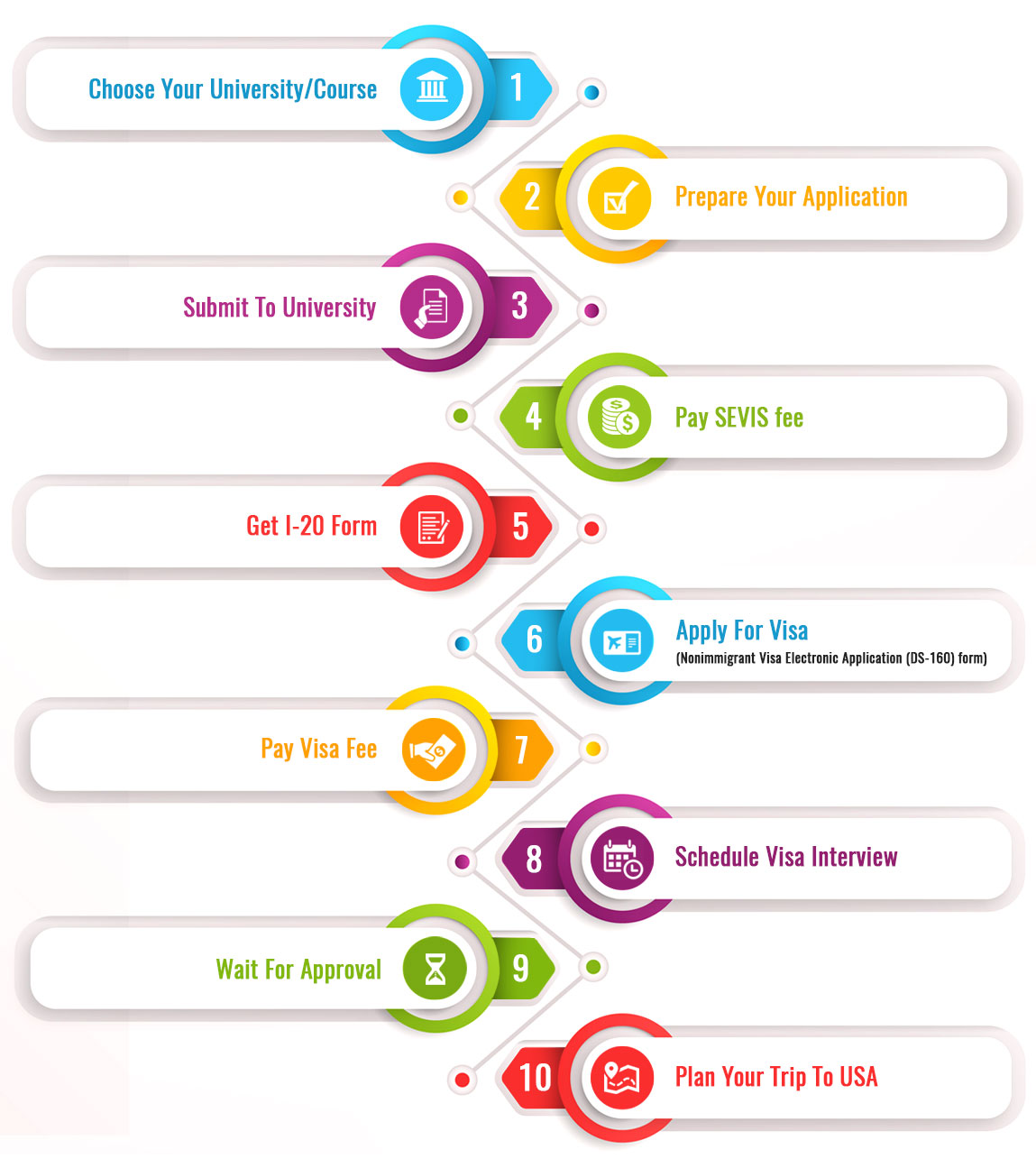
Proof of Sufficient Funds: Students are required to provide evidentiary proof that they are able to not only pay for the fee but also normal living expenses for the duration of the stay in the US. You must show that you have the financial ability to pay for school costs plus living expenses (in the amount shown on your Form I-20 that you received from the school you will attend). You must also show your I-901SEVIS Fee receipt to prove you submitted your payment to SEVP
English Language Proficiency: All universities in USA will need the student to take either the IELTS or TOEFL test to demonstrate ability for communicating in English. Each university will have a different cut-off score for these tests.
Proof of Acceptance: Before you can apply for a student visa, you must first be accepted by a U.S. institution of higher education that is certified by the SEVP. I-20 Form is a "Certificate of Eligibility for Non-Immigrant Student Status". You also have to produce school acceptance letter from the school you intend to attend to verify your acceptance.
Academic Documents: you should be ready to show you are prepared for the academic program in which you plan to enrol. You must have copies of any standardized test scores, academic transcripts, diplomas or certificates from previous education.